
How AI Can Help You Build Deeper Trust with Your Users
AI doesn't erode trust by default. But the teams that design for transparency, predictability, and recovery are the ones who will earn it back, and keep it.
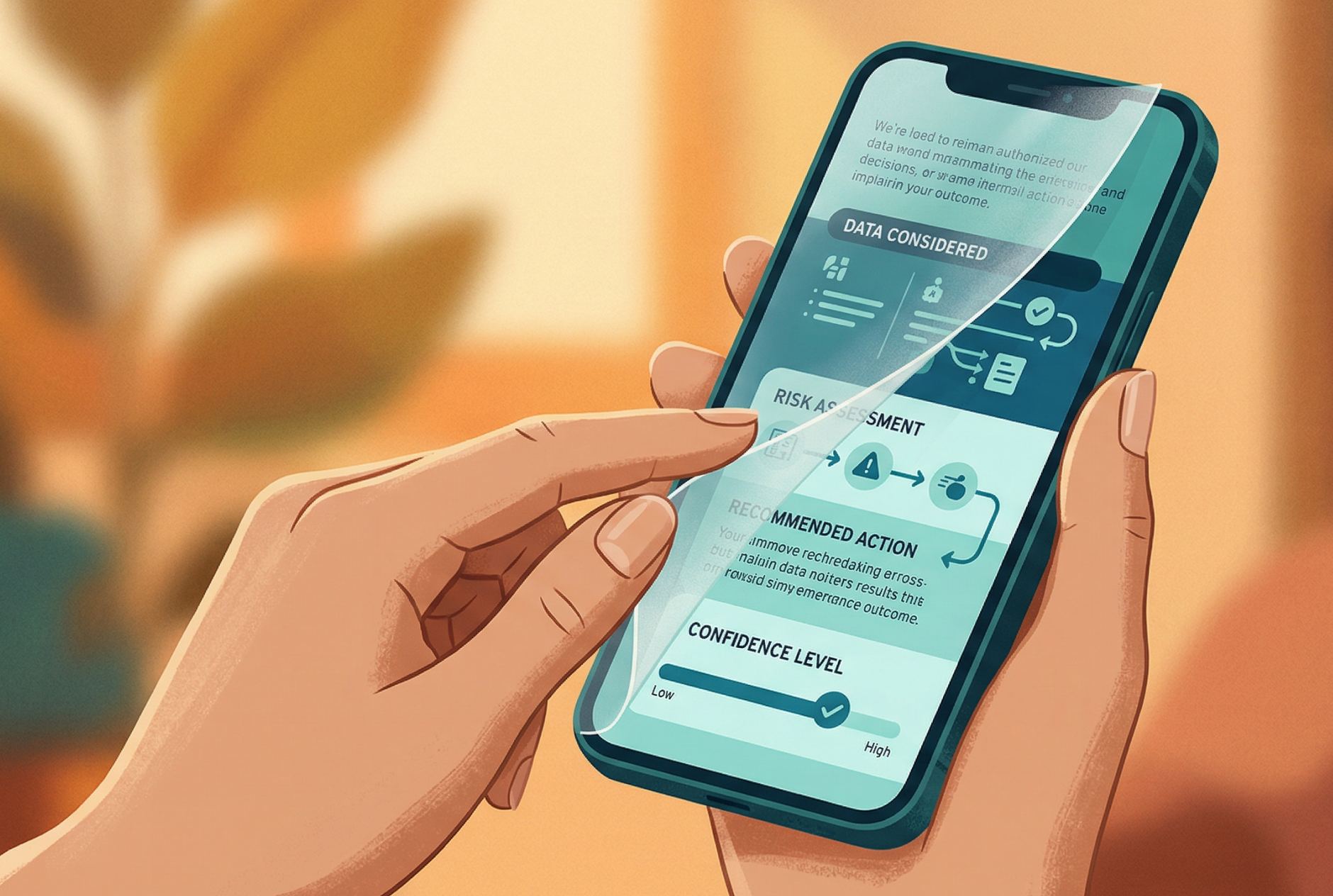
Users are developing a generalized wariness about AI-infused products. That wariness doesn't stay targeted. It spreads to anything that feels opaque, anything that surprises them, anything that behaves differently than they expected.
Designers are building inside that environment now. When a feature uses AI under the hood, you're not starting from neutral trust. You're starting from a trust deficit that other products built. Users are bringing skepticism you didn't earn and haven't designed for.
Most design teams aren't responding to this yet. The instinct is still to make the AI capability as seamless and invisible as possible. Hide the inference. Smooth over the uncertainty. Make it feel like magic.
That instinct made sense when AI was rare and people were curious. It doesn't hold when people are watchful.
What responsible design actually requires
Treat the trust contract as a core design artifact. It's a designed experience that clearly communicates what the system does, what it doesn't do, and how users can verify its behavior.
This takes thoughtful work. You can't expose every inference without overwhelming the interface. But you can make key behaviors legible. You can design disclosure that appears where it matters most, not hidden in settings. You can build controls that work reliably and demonstrate their effectiveness.
Here's what this looks like in practice: when an AI makes a decision that affects the user's experience, provide a way to see that a decision was made and understand what informed it. Not for every minor interaction, but for decisions with real consequences (what you see, what gets stored, how your data is used), the interface should reveal what's happening behind the scenes.
This approach supports faster, more sustainable AI product development. It enables you to ship products that users can develop genuine confidence in over time, creating experiences that build trust rather than deplete it.
Designers who develop interface patterns for AI that earns trust through clarity and openness will create products with lasting value. This path leads to interfaces that feel impressive and continue to inspire belief.